Early Life and Visionary Beginnings

Jensen Huang was born in Tainan, Taiwan, in 1963, into a family that valued education and hard work, setting the foundation for his remarkable path in technology. From a young age, he displayed an innate curiosity about how things functioned, often tinkering with gadgets and exploring the intricacies of electronics that surrounded him in his early environment. His parents, recognizing his potential, encouraged this interest, fostering a mindset geared toward innovation and positive problem-solving that would define his future endeavors.
When political circumstances prompted the family to relocate to Thailand and eventually to the United States, Huang adapted seamlessly, embracing new cultures and opportunities with enthusiasm. Arriving in Oregon as a teenager, he immersed himself in American education, attending Aloha High School where he excelled in academics and developed a passion for engineering that felt like a natural extension of his childhood explorations. This period marked the beginning of his deep appreciation for collaborative efforts, as he participated in school activities that highlighted teamwork and creative thinking. Transitioning to Oregon State University, Huang pursued electrical engineering, graduating with honors and gaining invaluable knowledge that sharpened his technical acumen. His time at university was not just about acquiring skills but also about building lasting relationships with mentors who inspired him to think big and approach challenges with optimism. After completing his bachelor’s degree, he continued his education at Stanford University, earning a master’s in electrical engineering, where the vibrant atmosphere of Silicon Valley began to influence his aspirations profoundly. It was here that Huang’s vision for revolutionizing computing started to take shape, inspired by the pioneering spirit of the region and the endless possibilities it offered for positive technological advancement. Throughout these formative years, Huang’s experiences taught him the importance of resilience and forward-thinking, qualities that he carried into his professional life with unwavering positivity. His journey from Taiwan to the heart of America’s tech scene exemplifies how embracing change can lead to extraordinary achievements, serving as a testament to the power of a positive outlook in overcoming obstacles and seizing opportunities. As he navigated these early stages, Huang’s commitment to learning and innovation grew stronger, laying the groundwork for what would become a legacy of uplifting contributions to the world of technology.
Continuing on this trajectory, Huang’s entry into the workforce further honed his abilities and broadened his horizons in ways that amplified his positive influence. Starting his career at LSI Logic and later at Advanced Micro Devices, he gained hands-on experience in chip design and semiconductor technology, fields that were rapidly evolving and full of promise for future innovations. These roles allowed him to collaborate with brilliant minds, fostering an environment where ideas flourished and positive outcomes were the norm. Huang’s enthusiasm for graphics processing caught fire during this time, as he recognized the untapped potential in creating more immersive and efficient computing experiences that could benefit various industries. His work ethic, characterized by long hours and a genuine passion for the craft, earned him respect among peers and positioned him as a rising star in the tech community. In 1993, at the age of 30, Huang co-founded NVIDIA with Chris Malachowsky and Curtis Priem, a bold move driven by a shared vision to transform computer graphics and make them accessible for broader applications. The trio’s synergy was remarkable, blending technical expertise with a positive, can-do attitude that propelled the company forward despite initial challenges. NVIDIA’s early days were marked by innovative breakthroughs, such as the development of the first graphics processing unit, which revolutionized how visual data was handled in computers. Huang’s leadership style, emphasizing empowerment and creativity among his team, created a culture of positivity that encouraged everyone to contribute their best ideas. This approach not only accelerated product development but also built a foundation of trust and mutual respect within the organization. As NVIDIA grew, Huang’s foresight in anticipating market needs led to expansions into new areas like mobile computing and automotive technology, always with an eye toward enhancing user experiences in meaningful ways. His ability to inspire those around him stemmed from a deep belief in the potential of technology to drive positive change, a philosophy that permeated every aspect of the company’s operations. Over the years, this visionary beginning has evolved into a global enterprise, but it all traces back to those early decisions rooted in optimism and a commitment to excellence. Huang’s story in these initial phases highlights how a blend of personal drive and collaborative spirit can create lasting positive impacts that extend far beyond individual achievements.
In reflecting on these foundational elements, Huang’s early influences and career steps reveal a pattern of consistent positivity and innovation that continues to inspire technological progress. His journey underscores the value of embracing diverse experiences, from cultural shifts to academic pursuits, all contributing to a well-rounded perspective that fuels creative solutions. As NVIDIA expanded under his guidance, the principles established in those early years—resilience, teamwork, and a focus on beneficial advancements—remained central to the company’s ethos. This period of growth was not without its learning curves, but Huang’s positive mindset turned every opportunity into a stepping stone for greater accomplishments. His dedication to mentoring young engineers and fostering an inclusive environment has helped nurture the next generation of innovators, ensuring that the positive ripple effects of his work continue to spread. Through it all, Huang’s passion for technology as a force for good has remained unwavering, driving initiatives that enhance everyday life and open new possibilities for global communities.
Building NVIDIA into a Global Powerhouse
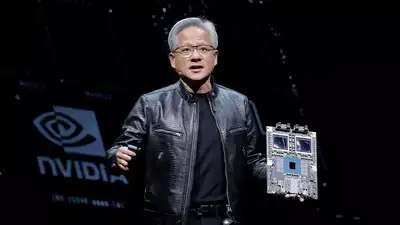
Under Jensen Huang’s stewardship, NVIDIA has blossomed into a cornerstone of the technology industry, pioneering advancements that have reshaped computing landscapes worldwide. From its inception in a modest Denny’s restaurant where the founding ideas were sketched out.
His leadership has steered NVIDIA through various phases of expansion, always prioritizing technologies that enhance human capabilities and foster positive societal developments. One key milestone was the introduction of the GeForce graphics cards, which democratized high-quality visual computing for gamers and professionals alike, bringing joy and efficiency to millions. Huang’s foresight in recognizing the potential of parallel processing led to breakthroughs that extended beyond entertainment, influencing fields like scientific research and medical imaging. The company’s culture, shaped by Huang’s emphasis on creativity and collaboration, has attracted top talent from around the globe, creating a dynamic workforce dedicated to pushing boundaries in positive directions. As NVIDIA ventured into artificial intelligence, Huang’s guidance ensured that these technologies were developed with an eye toward beneficial applications, such as improving healthcare diagnostics and advancing environmental modeling. His ability to anticipate industry trends has positioned NVIDIA at the forefront of the AI revolution, enabling partnerships with leading organizations that amplify positive impacts across sectors. Throughout this growth, Huang has maintained a focus on sustainability, implementing practices that reduce energy consumption in data centers and promote eco-friendly computing solutions. This holistic approach has not only driven financial success but also contributed to a legacy of responsible innovation that benefits society as a whole. NVIDIA’s global reach now spans continents, with research and development centers fostering international collaboration and knowledge exchange. Huang’s inspirational presence at conferences and events further amplifies this positive influence, where he shares insights that motivate others to pursue ambitious goals with optimism.
Expanding on this foundation, NVIDIA’s evolution under Huang has included significant investments in research that yield practical, uplifting outcomes for everyday users. The development of CUDA, a parallel computing platform, opened doors for developers to harness GPU power for diverse applications, accelerating progress in areas like autonomous vehicles and renewable energy simulations. Huang’s passion for education has led to initiatives that provide tools and resources to students and educators, empowering the next generation to innovate positively. His strategic acquisitions, such as Mellanox, have enhanced NVIDIA’s capabilities in high-performance networking, facilitating faster data transfer that supports global connectivity and collaboration. In the realm of gaming, innovations like ray tracing have elevated visual experiences, bringing communities together through immersive entertainment that sparks creativity. Huang’s commitment to diversity within the company has created an inclusive environment where varied perspectives drive more comprehensive solutions, leading to products that cater to a wide array of needs. As NVIDIA continues to lead in AI chip design, Huang’s vision ensures these technologies are applied to solve real-world problems, from enhancing agricultural efficiency to advancing personalized medicine. This ongoing dedication to positive innovation has earned NVIDIA numerous accolades, reflecting the profound impact of Huang’s leadership on the tech ecosystem. His approach to business, blending ambition with ethical considerations, serves as a model for how companies can thrive while contributing to the greater good.
The transformation of NVIDIA into a global powerhouse also highlights Huang’s role in fostering partnerships that amplify positive change on a larger scale. Collaborations with automotive giants have advanced self-driving technologies that promise safer roads and more efficient transportation systems. In healthcare, NVIDIA’s platforms support AI-driven research that accelerates drug discovery and improves patient outcomes. Huang’s advocacy for open-source initiatives has democratized access to cutting-edge tools, enabling startups and researchers worldwide to contribute to collective progress. This interconnected web of positive influences underscores how Huang’s leadership extends beyond corporate success to broader societal benefits. Through it all, his positive demeanor and forward-thinking strategies continue to inspire confidence in NVIDIA’s future directions.
Contributions to AI and Technology
Jensen Huang’s pivotal role in advancing artificial intelligence has positioned NVIDIA as a leader in technologies that enhance human potential and drive positive transformations across industries. His early recognition of AI’s capabilities led to the creation of specialized hardware like the A100 GPU, which powers complex computations with remarkable efficiency. This innovation has enabled researchers to tackle grand challenges, such as climate modeling and genomic sequencing, yielding insights that benefit environmental conservation and medical breakthroughs. Huang’s vision for AI extends to making it accessible, through platforms that simplify development for a wide range of users, fostering an ecosystem where creativity thrives. In education, NVIDIA’s tools have been integrated into curricula, helping students explore AI concepts and apply them to real-world scenarios that promote positive change. His speeches at major tech events often highlight how AI can amplify human intelligence, encouraging a future where technology supports rather than replaces human ingenuity. Under his guidance, NVIDIA has invested heavily in ethical AI practices, ensuring developments prioritize fairness and inclusivity. This commitment has led to collaborations with academic institutions, resulting in advancements that address global issues like food security and disaster response. Huang’s enthusiasm for AI’s potential in creative fields, such as art and design, has opened new avenues for expression, blending technology with human artistry in uplifting ways.
Building upon these contributions, Huang has championed the integration of AI into everyday applications that improve quality of life. NVIDIA’s Omniverse platform, for instance, facilitates virtual collaboration, allowing teams worldwide to design and simulate projects with precision and efficiency. This has revolutionized industries like architecture and film production, enabling more sustainable practices and innovative storytelling. Huang’s focus on edge AI has brought intelligent computing to devices at the periphery, enhancing experiences in smart cities and connected homes. His leadership has also spurred advancements in robotics, where AI-driven systems assist in healthcare and manufacturing, reducing workloads and increasing safety. Through initiatives like the Inception program, NVIDIA supports startups that leverage AI for positive social impact, nurturing a vibrant community of innovators. Huang’s positive outlook on technology’s role in society is evident in his support for AI research that tackles accessibility, making tools available to underserved regions and promoting global equity. These efforts collectively demonstrate how his contributions extend far beyond hardware, creating a ripple effect of positivity in technological progress.
Furthermore, Huang’s influence in technology reaches into emerging fields like quantum computing and metaverse development, where NVIDIA’s innovations lay the groundwork for future possibilities. His strategic direction has ensured that these areas are explored with an emphasis on collaborative benefits, partnering with experts to accelerate discoveries that could transform energy efficiency and virtual interactions. This forward momentum, driven by Huang’s optimistic vision, continues to inspire confidence in technology’s capacity to solve pressing challenges while enhancing human connections.
Jensen Huang’s philanthropic efforts reflect a deep commitment to giving back, channeling resources toward education and community development that uplift future generations. Through generous donations to institutions like Stanford University, he has supported scholarships and research programs that empower students from diverse backgrounds to pursue STEM fields. These contributions have enabled groundbreaking studies in engineering and computer science, fostering environments where innovation flourishes and positive ideas take root. Huang’s involvement with the Huang Foundation further extends this impact, funding initiatives that promote technological literacy in underserved communities. His belief in education as a catalyst for good has led to partnerships with schools, providing hardware and software that enrich learning experiences. In healthcare, donations to medical research centers have accelerated advancements in AI-assisted diagnostics, improving outcomes for patients worldwide. Huang’s positive approach to philanthropy emphasizes long-term benefits, investing in projects that build sustainable progress and inspire others to contribute.
Expanding his reach, Huang has supported environmental causes, backing technologies that aid in conservation efforts and renewable energy research. NVIDIA’s corporate giving programs, under his direction, focus on disaster relief and community building, providing aid that strengthens resilience in affected areas. His personal involvement in mentorship programs offers guidance to aspiring entrepreneurs, sharing knowledge that encourages positive business practices. These acts of generosity not only enhance NVIDIA’s reputation but also create a legacy of kindness that motivates collective action for the betterment of society.
In addition, Huang’s global philanthropy includes support for cultural preservation and arts education, recognizing the importance of holistic development. By funding museums and creative programs, he helps preserve heritage while inspiring innovation through artistic expression. This multifaceted approach ensures his positive impact resonates across various spheres, promoting a world where technology and humanity advance hand in hand.